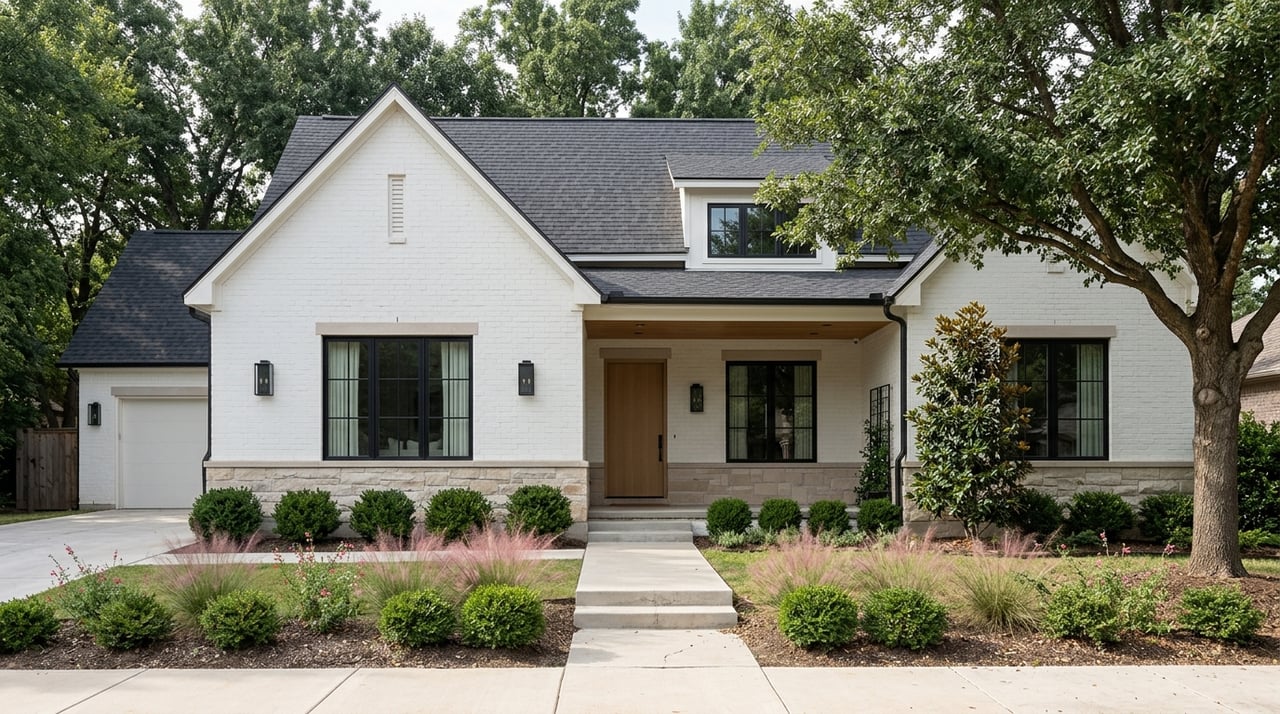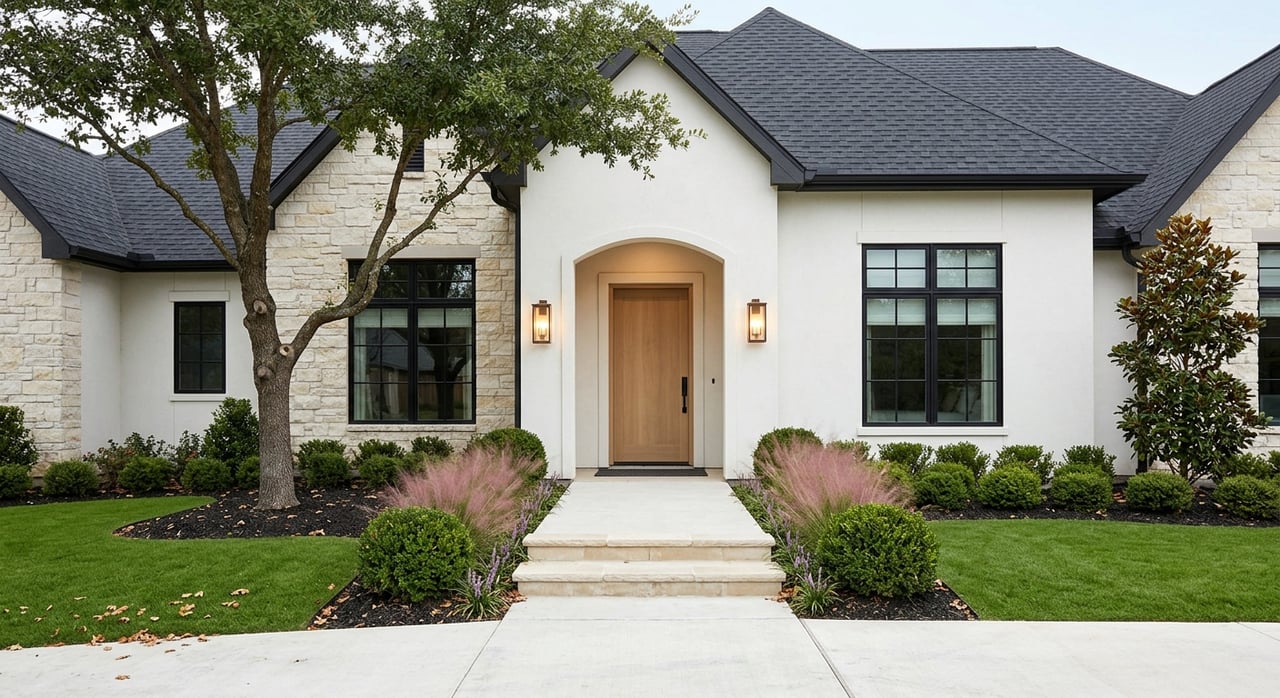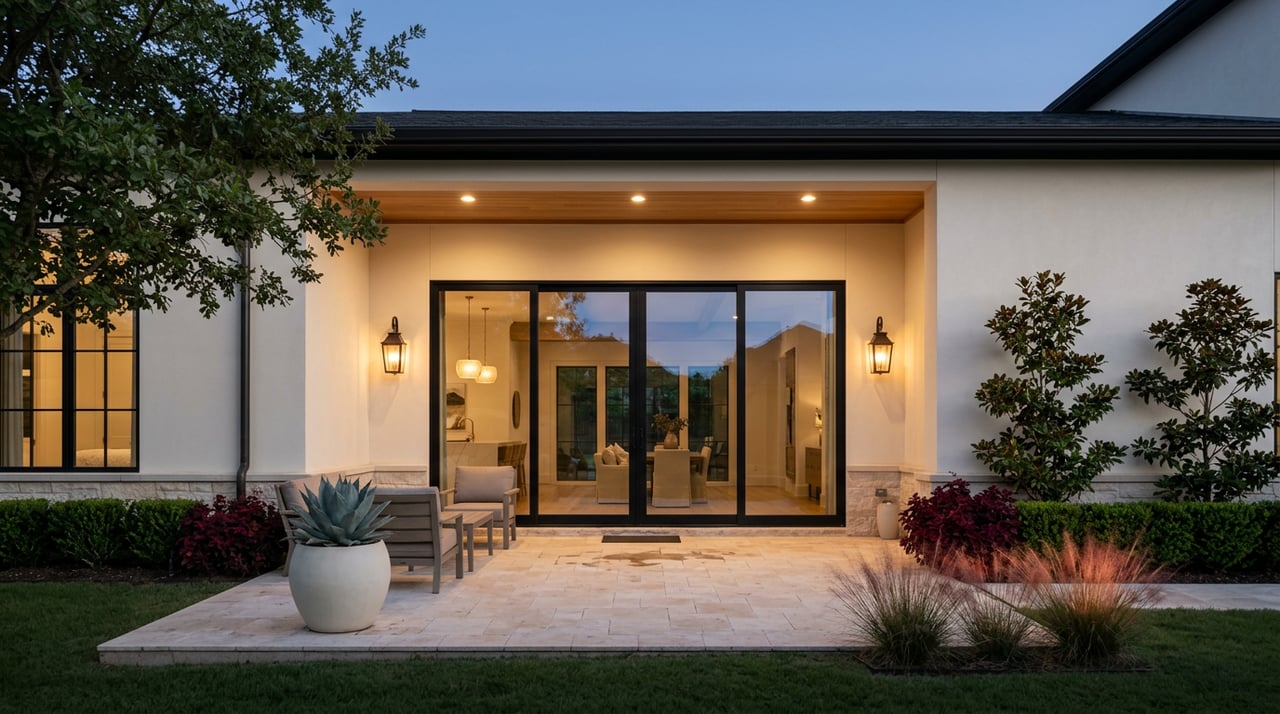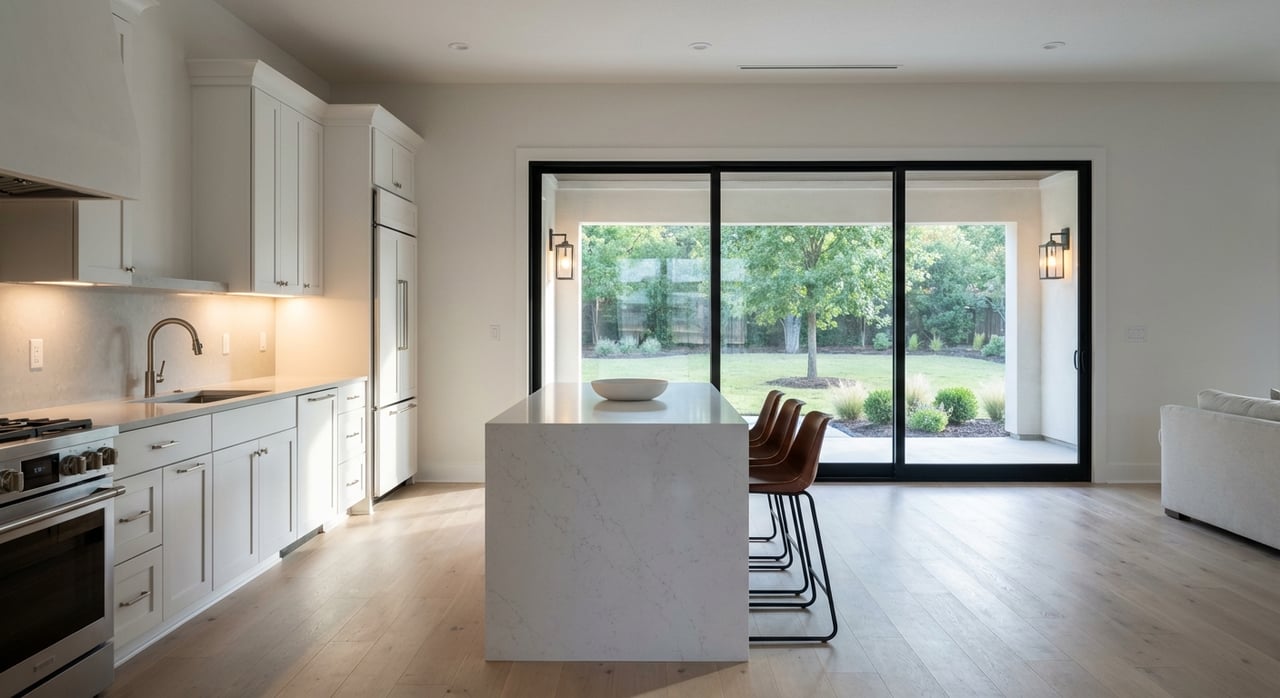
Eyeing a new home in Prosper and wondering how to choose the right builder, lot, and timeline without costly surprises? You are not alone. With rapid growth and amenity-rich communities, Prosper offers plenty of choice, but the details around MUD and PID taxes, warranties, and inspections can make or break your experience. In this guide, you will learn what to look for, which documents to request, and how to protect your budget from contract to closing. Let’s dive in.
Why Prosper new construction stands out
Prosper has grown quickly in the 2020s. The Town of Prosper reported a population of 46,087 as of January 1, 2025, showing strong demand and an active building pipeline. You can review current town metrics on the official Stats & Demographics page for context on growth and planning priorities. Town of Prosper Stats & Demographics
Prices trend above the DFW average, with typical home values in the high $700,000s to mid $800,000s in recent years. Treat any price you see as an estimate and tie it to a date, since values vary by neighborhood and change often. If you are relocating, a local advisor who tracks specific communities can help you focus on the right product type and carry costs.
Access keeps improving too. The Dallas North Tollway extension over US 380 opened in 2023, improving regional connectivity and contributing to long-term demand. That kind of infrastructure can affect lot premiums, commute expectations, and future resale. Dallas North Tollway extension coverage
Master-planned communities to know
Windsong Ranch
Windsong Ranch is widely known for its amenities, including the Crystal Lagoon, trails, and an active lifestyle program. Community materials often highlight robust common-area offerings and events that shape daily life. If you are comparing sections, review HOA services and fees carefully, since inclusions can vary. Explore Windsong Ranch’s community resources
Some marketing mentions in the region note whether a section carries a MUD or PID assessment. Always confirm the exact lot’s tax details rather than relying on general statements. Your due diligence should include a sample recent tax bill for a similar lot and written HOA fee schedules.
Light Farms
Light Farms is another large-scale community with multiple pools, extensive outdoor space, and convenient on-site lifestyle touches. Some sections feature front-yard maintenance, which can change your monthly costs and your weekend routine. The community FAQs also address how certain infrastructure is financed, including MUDs in parts of the development. Read Light Farms FAQs
The bottom line: communities in Prosper offer different mixes of amenities, services, and assessments. Compare them side by side using current HOA data, tax examples, and any special district disclosures before you choose a lot.
MUDs and PIDs explained
New neighborhoods in Collin County often use special districts to finance infrastructure. Municipal Utility Districts, or MUDs, help fund water, sewer, and roads through bonds repaid over time via your property tax bill. Property or Public Improvement Districts, or PIDs, commonly fund enhancements such as landscaping or community features.
What this means for you:
- You may see separate MUD or PID lines on your annual tax bill.
- Rates and balances vary by district and can last years. Ask for the bond amortization schedule and current rate.
- A lower advertised tax rate does not always mean lower total taxes if a district assessment sits outside the base rate.
For a clear primer, review local guidance on how PIDs and MUDs work in North Texas neighborhoods. Collin County Association of Realtors explainer
Builders and product types in Prosper
Prosper includes production and semi-custom options from regional and national builders. Production builders often have narrower plan sets and faster cycles. Semi-custom and luxury lines usually offer larger lots, more structural choices, and longer lead times. You will see names like Highland, Toll Brothers, Perry, Bloomfield, Shaddock, and others in active communities.
Use a regional listing hub to confirm which builders are active right now and to scan plan sizes, lot availability, and base pricing. Update your notes often, since availability changes quickly. See active Prosper new-home lineups
Timeline: inventory homes vs build-to-order
If you want to move soon, an inventory or quick-move home can often close in weeks or a few months, depending on stage and lender timelines. If you build to order with a production builder, many single-family homes take roughly 6 to 9 months from contract to completion in typical conditions. Custom or larger semi-custom projects usually take longer.
National data gathered in the 2020s shows average single-family build times rose due to supply and labor constraints. Always ask for a written schedule from the builder with target milestones and update frequency. Review national build time trends
The inspection plan that protects you
Even on a new home, independent inspections are essential. Most third-party inspectors recommend at least four checkpoints:
- Pre-slab or pre-pour: verify forms, steel, and plumbing before concrete.
- Pre-drywall: review framing, rough mechanicals, plumbing, and electrical before walls close.
- Final inspection: confirm function and safety before closing.
- 11-month or warranty inspection: document items before the one-year workmanship window ends.
Coordinate inspection access in writing with the builder, and schedule the pre-drywall visit early. Many issues are easiest to correct before drywall. Plan the 11-month inspection with enough lead time for fixes under warranty. Why phase inspections matter on new construction
Warranties in Texas: 1-2-10 vs 1-2-6
Most builders follow a familiar pattern: one year of workmanship coverage, two years on systems like HVAC, plumbing, and electrical, and a longer structural warranty, often through a third-party provider. One widely used option in the industry is 2-10 Home Buyers Warranty, which offers structural coverage programs to participating builders. Always read your specific booklet to understand what is included and excluded. Learn about structural warranty programs
A notable Texas update in 2023 affects your legal timeline. Under a change enacted in June 2023, builders who provide a qualifying written 1-2-6 warranty can shorten the statute of repose for certain single-family residences from 10 years to 6 years. Some builders may still offer 10-year structural coverage as a competitive feature, but your legal window to bring claims could differ based on the warranty provided. Ask which warranty applies, who backs it, and how long structural coverage lasts. Read a legal analysis of the 2023 change
Smart negotiation and contract checkpoints
Builder sales representatives are friendly and helpful, but they represent the builder. A dedicated buyer’s agent looks out for you, helps you compare lots and plans, and makes sure the final contract reflects your negotiated terms.
Key items to review in writing:
- Base price vs lot premium and any elevation or plan add-on cost.
- Included finishes and appliance package.
- Change-order policy and pricing for structural vs design updates.
- Estimated construction schedule with milestone targets.
- Earnest money amounts, refund rules, and extension terms.
- Inspection access at each phase.
- Incentives and lender conditions if using a preferred lender.
- The complete warranty booklet and any third-party administrator.
Also document any view easements, setback rules, and future-phasing notes that could affect your lot.
Your pre-visit and due diligence checklist
Before you set foot in a model home, gather these items so you can compare apples to apples:
- Community map and current lot release sheet.
- CC&Rs or deed restrictions and the latest HOA fee schedule.
- A recent sample property tax bill from a similar lot.
- Any MUD or PID disclosure with the current tax rate and bond schedule.
- The builder’s standard purchase agreement and warranty booklet.
- An amenities timeline with target completion dates for future phases.
During your lot walk, verify grading and drainage, sun exposure, proximity to planned non-residential corners, and likely traffic patterns. Ask for written notes on any front-yard maintenance or lifestyle services included in the HOA.
Red flags to avoid
Watch for these signs and slow down if you see them:
- Limited or no inspection access before drywall.
- Missing or vague warranty documents in the contract packet.
- Large, front-loaded MUD or PID bond balances on sample tax bills.
- A builder that pauses sales without clear communication or support.
- Infrastructure or amenities labeled as “future” without clear developer commitments. The Dallas North Tollway work shows that timelines can shift, so do not plan around assumptions. Recent DNT extension coverage
Putting it all together
Buying new construction in Prosper is exciting, especially with the town’s growth, improving access, and standout communities. If you pair a clear inspection plan with careful review of taxes, fees, timelines, and warranties, you can move forward with confidence. Keep every promise in writing, ask for dated documents, and confirm the exact tax and HOA picture on the lot you love.
If you would like a calm, step-by-step approach to lot selection, contract review, and builder coordination, reach out to Leigh Calvert. You will get responsive, concierge-level guidance from a local advisor who understands Prosper’s communities, special districts, incentives, and timelines.
FAQs
How much do new construction homes cost in Prosper in 2025?
- Prosper often trends in the high $700,000s to mid $800,000s for typical homes as of 2024–2025, but prices vary by community, lot, elevation, and upgrades; always verify current numbers with the builder and date your comparisons.
What are MUDs and PIDs on Prosper new builds?
- They are special districts that help finance infrastructure or enhancements and appear as separate lines on your property tax bill; ask for the current rate, bond schedule, and a recent sample tax bill for a comparable lot.
How long does it take to build a new home in Prosper?
- Quick-move inventory can close in weeks to a few months, while many production build-to-order homes run about 6 to 9 months in typical conditions; custom or semi-custom builds usually take longer, so request a written schedule.
Do I really need inspections on a brand-new home?
- Yes; plan at least four: pre-slab, pre-drywall, final, and an 11-month warranty inspection; these catch hidden issues early and help you document repairs under the builder’s warranty.
How do Texas builder warranties affect my rights?
- Many builders use a 1-2-10 style model, but a 2023 Texas change allows a qualifying 1-2-6 warranty that shortens the legal window for certain claims; ask which warranty applies, who backs it, and how long structural coverage lasts before you sign.