Dreaming of waking up to water views and weekend boat rides? If you are eyeing Little Elm for its Lewisville Lake access, you are in good company. Lake-proximate living offers a standout lifestyle, but it also comes with unique maintenance, insurance, and commuting considerations. In this guide, you will learn what to look for, what questions to ask, and how to decide if Little Elm lake living fits your daily routine and long-term plans. Let’s dive in.
Why Little Elm for lake life
Little Elm sits on the north shore of Lewisville Lake in Denton County, within the Dallas–Fort Worth metroplex. You are close to job centers in Frisco and Plano, which draws many buyers who want water access without giving up city conveniences. The lake itself is a managed reservoir, with water levels and shoreline use influenced by the U.S. Army Corps of Engineers. The town has grown quickly, with a mix of older cottages, custom lakefronts, and newer subdivisions with community amenities.
Lakefront vs. lake-proximate homes
What “lakefront” really means
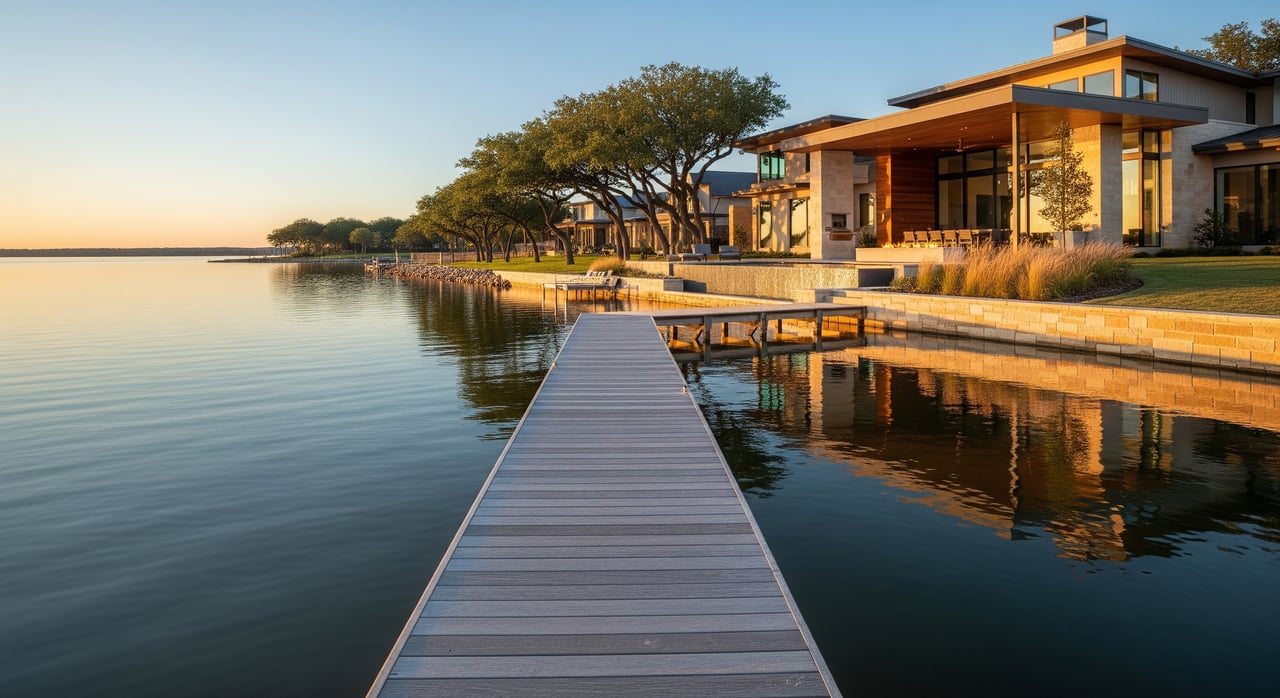
True lakefront lots can include direct shoreline access and, in some cases, private docks. These properties are limited and often command a premium. Many other homes are lake-proximate, which means you are near the water or within a quick walk or drive to public parks, marinas, or boat ramps. Always confirm exact access rights on the title and survey before you fall in love with a view.
Typical home styles
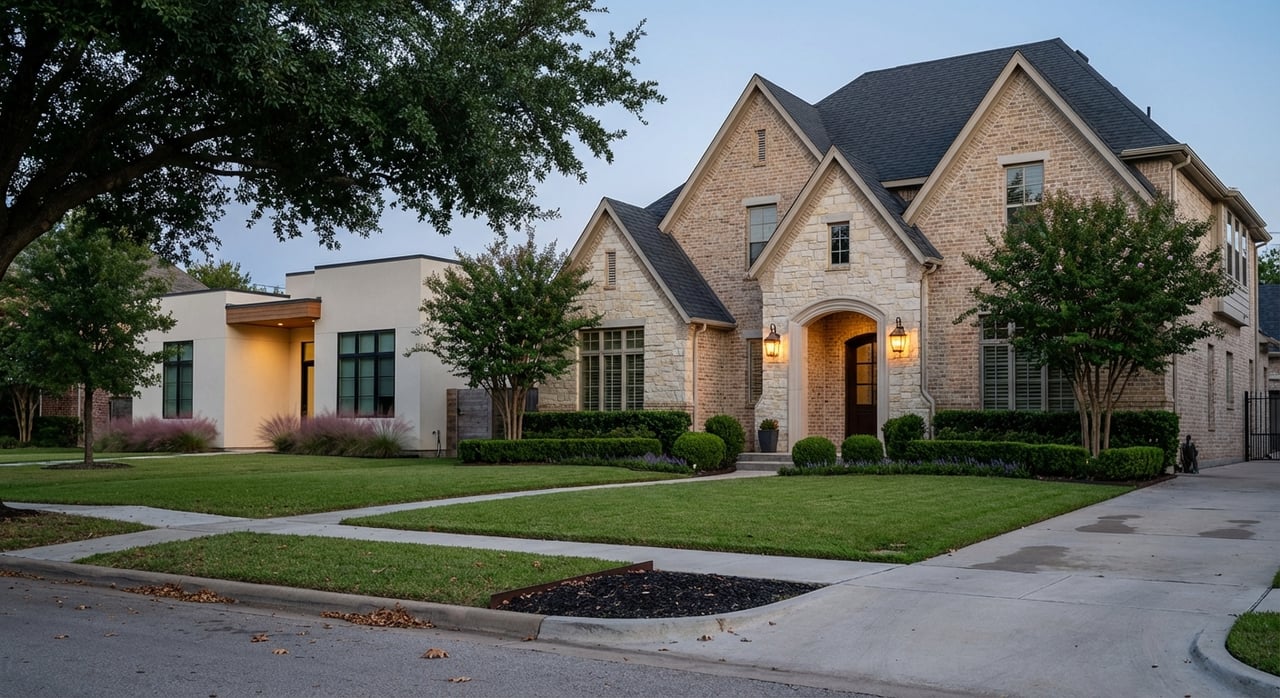
Newer neighborhoods often feature two-story single-family homes with open layouts, 3–5 bedrooms, and attached garages. You will also see ranch-style and patio homes that appeal to buyers seeking easier maintenance. Custom lakefront builds may add elevated foundations, broad porches, and second-floor balconies to capture views. Where allowed, private docks or boathouses can be part of the package.
HOA rules and design controls
Many lake-area subdivisions have HOAs that guide exterior finishes, landscaping, boat storage, dock structures, and short-term rental rules. Review the CC&Rs, bylaws, and design guidelines before you write an offer. Ask about fees, any lake-use rules, and enforcement history so you understand both flexibility and limits.
Access, recreation, and permits
Public vs. private access
Little Elm has invested in harbors, parks, and lakeside amenities that make the waterfront a community hub. Public boat ramps and beaches are managed by the City or by the U.S. Army Corps of Engineers. If a property includes a private dock, verify ownership, easements, and ongoing maintenance responsibilities.
Boating, fishing, and more
You can expect powerboating, sailing, jet skiing, wakeboarding, kayaking, paddleboarding, and designated swimming areas. Fishing is popular, with species typical of North Texas lakes. Community events and lakefront dining add to the social scene, especially around harbor areas and waterfront parks.
Permits and rules you should know
USACE rules and local ordinances regulate shoreline structures such as docks and seawalls. Permits may be required for new docks or shoreline modifications. Boating safety, no-wake zones, and registration are administered under state and local enforcement, and you should review Texas Parks and Wildlife guidelines before you launch.
Maintenance and risk factors
Shoreline and dock upkeep
Waterfront owners should plan for seawall, riprap, or erosion-control maintenance over time. Docks and boathouses need seasonal checks and repairs, especially after storms. Materials like wood and composite wear differently, so budget for replacement parts and inspections.
Drainage, foundations, and moisture
Proximity to the lake can shape how your yard drains. You may see engineered grading, retaining walls, or flood vents on certain homes. You should also plan for higher humidity near the shoreline, which can affect exterior finishes and your HVAC workload.
Insurance and flood risk
Many lake-adjacent parcels fall into FEMA flood zones or special flood hazard areas. Even outside mapped zones, intense rain or managed reservoir levels can create local inundation risks. Lenders may require flood insurance, and it is often wise to get quotes for both NFIP and private options. Home insurance can be higher on the water, so review wind, hail, and water-damage endorsements carefully.
Daily life on the lake
A recreation-first rhythm
If you love the outdoors, lake living can reshape your weekends and evenings. Expect more time on the water, spontaneous paddle sessions, and a steady stream of friends who want to visit. Proximity to trails and parks encourages regular walks, bike rides, and community events.
Noise and privacy
Boats, jet skis, and lake events can increase noise during peak seasons. Some buyers prefer lively areas near harbors, while others seek quiet coves or homes a bit set back from the shoreline. Tour at different times of day and on weekends so you get a true feel for sound and activity levels.
Wildlife and environment
Expect regular sightings of waterfowl and other local wildlife. You may also need firmer pest-control routines, including mosquito management. Choose exterior materials and finishes that stand up to moisture and sun.
Commuting to Frisco and Plano
Routes and planning
Little Elm sits within the northern DFW suburban ring, and many residents commute to Frisco and Plano. Your actual commute time depends on your address and the route you choose. Peak hours can add time because of congestion and event traffic. Plan alternates and check live navigation apps to keep your schedule reliable.
Transit and hybrid work
Regional transit options are more limited than in urban cores, though planning resources sometimes outline future connections. Many buyers lean on hybrid work to make lake living feasible, trading a longer in-office commute a few days a week for evenings on the water.
Buyer due diligence checklist
Use this practical checklist to protect your investment and avoid surprises:
- Title and survey: Confirm lot lines, any public land between the home and the water, recorded easements, and dock or access rights.
- FEMA flood map: Check the property’s flood zone and base flood elevation. If there is no elevation certificate, consider ordering one.
- Inspections: Hire a licensed inspector with specific focus on foundation, moisture intrusion, roof, gutters, drainage, pier or dock condition, and seawall or riprap stability.
- Shoreline engineering: For significant structures, seek a marine or structural engineer’s opinion.
- HOA documents: Review CC&Rs, bylaws, design guidelines, financials, and any rules about docks, boat storage, and rentals.
- Insurance quotes: Obtain quotes for homeowners, flood, wind and hail, and any coverage for docks or boats.
- Utilities: Confirm sewer versus septic, water provider, and any private utility or water district fees.
- Permit history: Verify municipal and USACE permits for docks, seawalls, and recent shoreline work. Ask about any pending City or USACE projects.
- School and services: Verify which school district serves the address and confirm attendance zones, recreation facilities, and public services relevant to your household.
- Market context: Review current MLS or broker reports for inventory and days on market to set realistic expectations.
Costs and negotiation considerations
Waterfront premiums reflect the lifestyle value of views and access. Balance that price with realistic upkeep for shoreline structures, docks, and exterior systems. Include contingencies that allow for dock and seawall assessments, and be clear about who pays for any identified repairs. For resale, proximity to popular amenities can attract lifestyle-focused buyers, though some buyers may prefer quieter settings. Match your plan to the likely future buyer pool.
Is Little Elm lake living right for you?
If you want weekends on the water and an active outdoor routine, Little Elm can be a brilliant fit. You will enjoy a community that invests in its lakefront, plus reasonable access to Frisco and Plano job centers. The tradeoffs are higher maintenance, careful insurance planning, and commute variability. With the right due diligence, you can secure the lifestyle you want and protect your long-term value.
Ready to explore lakefront and lake-proximate options with a clear plan? Connect with a local advisor who understands shoreline rules, flood maps, and community nuances, and who can coordinate inspections and quotes quickly. If you want a steady hand and a bit of British calm along the way, reach out to Leigh Calvert to get started.
FAQs
What counts as true lakefront on Lewisville Lake?
- True lakefront typically means direct shoreline access and, where permitted, a private dock. Always verify access rights, easements, and any public land between the lot and the water on the title and survey.
Do Little Elm lake homes require flood insurance?
- Lenders may require flood insurance if the home sits in a FEMA special flood hazard area. Even outside mapped zones, it is smart to get quotes for NFIP and private policies based on elevation and structure details.
Can I build a private dock on Lewisville Lake?
- Dock construction and modifications are regulated by the U.S. Army Corps of Engineers and local ordinances. You may need permits, and maintenance is usually the owner’s responsibility.
How noisy is the lake near harbor areas in summer?
- Expect higher boat traffic and event activity during peak seasons. Tour at different times, including weekends, to understand noise levels and choose a location that fits your preference.
What is the commute from Little Elm to Plano like?
- Commute times vary by address, route, and traffic. Plan alternates and check live navigation tools during your typical travel windows to gauge realistic door-to-door timing.
Are HOAs common near the lake in Little Elm?
- Many lake-area subdivisions have HOAs with rules about exterior changes, boat storage, rentals, and dock standards. Review CC&Rs, bylaws, and fees before you make an offer.