Choosing between Celina’s many master-planned communities can feel exciting and overwhelming at the same time. You want everyday convenience, a comfortable home, and a neighborhood that fits how you actually live. In this guide, you’ll learn how these communities are designed, what amenities and HOAs really mean for your day-to-day, and how to compare options with confidence. Let’s dive in.
Why Celina suits master planning
Celina sits in northern Collin County on the growth edge of the Dallas–Fort Worth metro. That position gives developers room to create large, amenity-rich neighborhoods with a range of lot sizes and product types. City planning emphasizes connected parks and trails, recreation hubs, and a mix of suburban and estate-style living.
Regional roads shape daily life. The Dallas North Tollway extension and improvements to US 380 continue to influence commute patterns and development timelines. Many residents plan for hybrid work, longer-but-straightforward drives, or routines that center on local schools, sports, and amenities.
Daily life around amenities
Community hubs and pools
Most master-planned neighborhoods in Celina build around a central community center. This is often the heart of weekly life with meeting rooms, event spaces, and fitness areas. Pools and splash pads become summer staples, with cabanas and shaded seating that make it easy to meet neighbors and host small gatherings.
Trails, parks, and pocket greens
Trails and greenbelts link sections of the neighborhood, creating off-street routes for walking, biking, and dog-walking. You’ll see pocket parks and small plazas placed so you do not have to drive for a short play session or a fresh-air break. These features shape simple daily rhythms, like a stroller walk after dinner or a loop with the dog before work.
Sports courts and programs
Many communities include sports courts or fields. Youth activities and adult leagues are often organized through the association, which reduces your time in the car and brings recreation close to home. If you enjoy casual competition or want built-in options for kids, this setup can be a strong fit.
On-site retail and services
Some master plans set aside space for future retail like coffee, daycare, or small-format grocery. When those pieces are in place, you can walk or take a quick bike ride for daily errands. If the retail is still planned, it is smart to confirm timelines and whether any amenities have member fees.
Housing options and design
Product mix and lot sizes
Celina communities usually offer a broad mix:
- Single-family homes on suburban lots, with widths commonly ranging from about 40–50 feet up to 60–80 feet or more.
- Estate or acreage sections, often on half-acre to 1 acre or larger, in outlying phases.
- Patio or zero-lot-line homes and, in some plans, townhomes near mixed-use or amenity nodes.
- In select cases, active-adult sections may be available. Always verify with current builder materials.
Builders often stage smaller-lot sections first, with larger or premium lots delivered later. Checking which phase is selling now will help you set expectations on price bands, lot availability, and timeline.
Architectural styles and controls
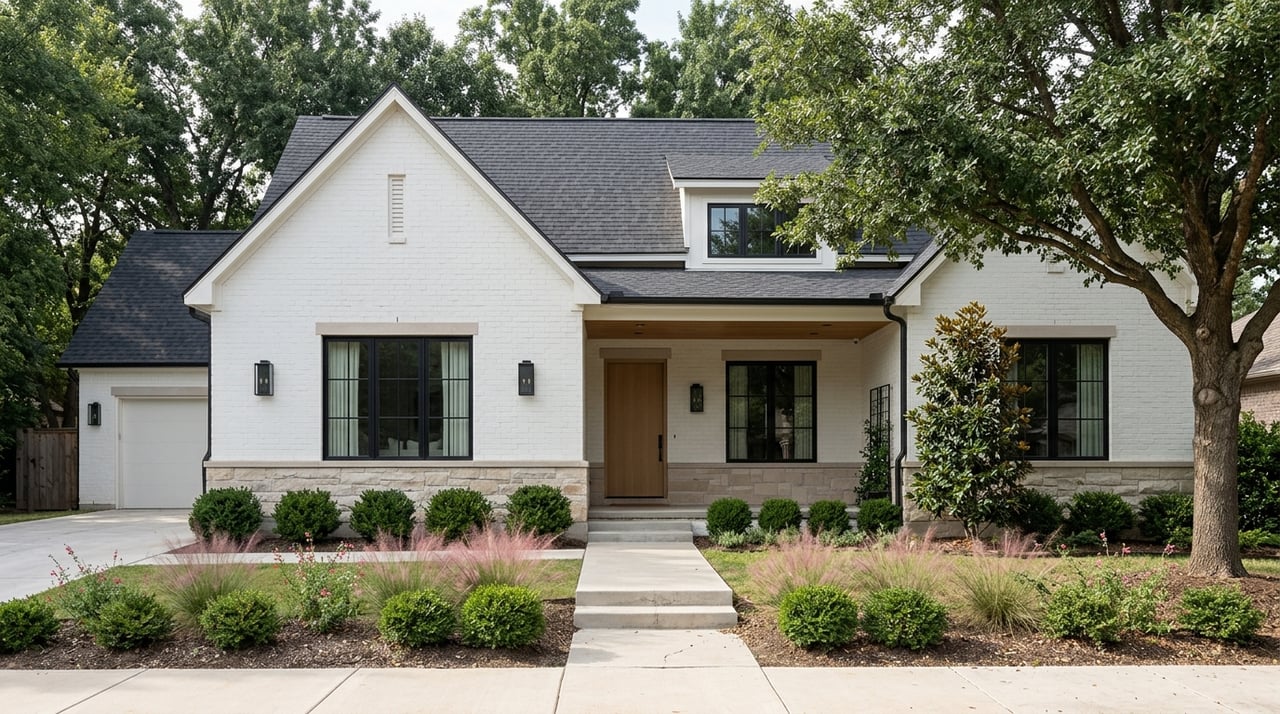
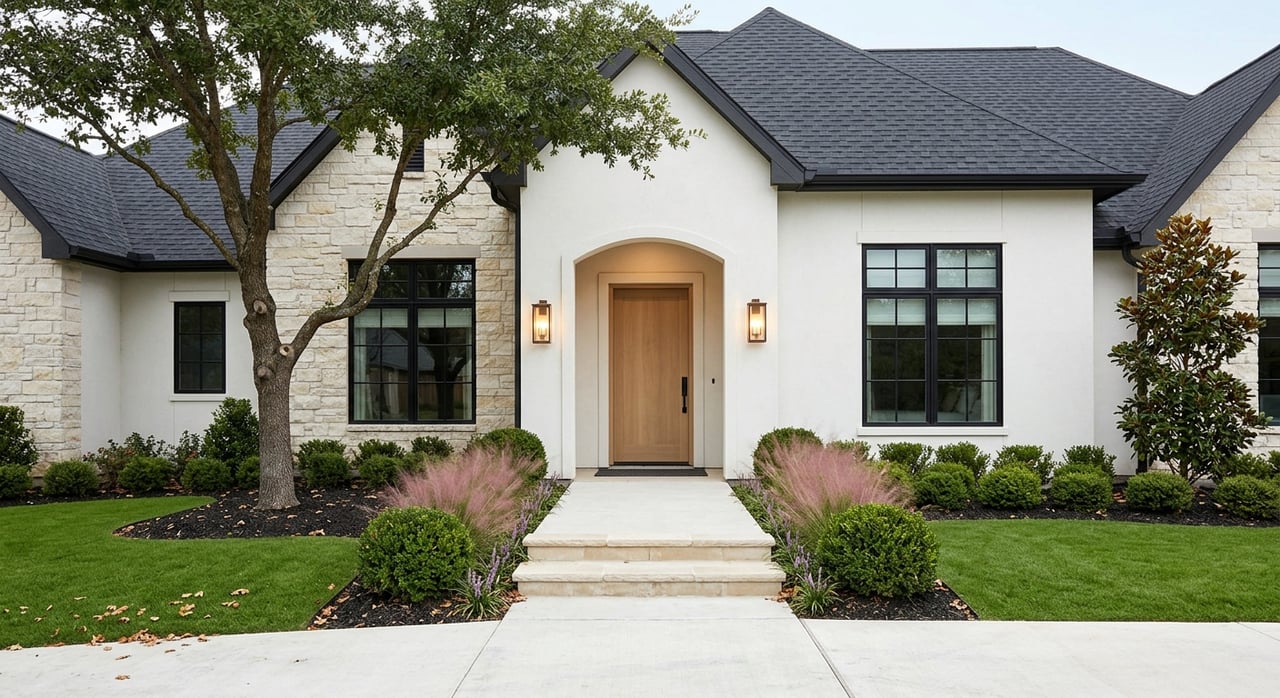
You’ll see a variety of North Texas styles, including Modern Farmhouse, Craftsman, Traditional, and Mediterranean-influenced elevations. Most master-planned communities use an Architectural Review Committee or similar design process to guide exterior materials, colors, fencing, and landscaping. This helps maintain a consistent look and feel across streets.
Street character matters too. Some sections emphasize front porches and sidewalks, while others lean on alley-loaded garages to create a cleaner frontage. The result is a streetscape that supports neighbor interaction, shade-tree plans, and safe walking routes.
HOA reality check
Fees and what they cover
Nearly all large-scale Celina neighborhoods have a homeowners or property owners association. Fees are collected monthly, quarterly, or annually, depending on amenities and services. Communities with pools, staffed centers, and expansive grounds typically have higher assessments than minimal-amenity subdivisions. If there are multiple sections or sub-associations, fees can vary by lot type or home size.
Common rules to expect
HOAs administer covenants and design standards. Typical rules cover exterior maintenance, fencing type and height, paint approvals, landscaping expectations, seasonal decor timeframes, parking, and whether short-term rentals are allowed. Before you buy, it’s wise to review the CC&Rs and any community guidelines so you understand day-to-day obligations.
Reserves and special assessments
Healthy reserve funds help pay for long-term capital needs, like pool resurfacing or trail repair. Ask for recent budgets and any reserve studies, plus a summary of special assessments, if any. This gives you a clear picture of financial planning and future cost risk.
Texas legal framework
In Texas, property owners’ association operations are governed by provisions in the Texas Property Code. You can request association records, budgets, meeting minutes, and resale certificates to understand obligations and procedures. The documents will clarify notice requirements, rule-enforcement processes, and your rights as an owner.
Commute, schools, and services
Regional access and commute patterns
From Celina, the Dallas North Tollway extension and US 380 are primary routes toward major job centers. Drive times vary with traffic and construction. Many residents balance a few in-office days with remote work, using neighborhood amenities for midday breaks or quick meetups at local coffee spots.
Schools and zoning basics
School boundaries can shift as new campuses open. Always verify current attendance zones with the serving school district rather than relying on marketing maps. Bus routes, walkability to an on-site or nearby elementary, and after-school programs can all influence your weekday schedule.
Everyday services
As Celina grows, access to grocery, medical clinics, and express retail continues to improve. Depending on the neighborhood’s placement, you may find daily needs within the community or a short drive away. Confirm which retail nodes are open now versus planned in later phases.
Who thrives in Celina master plans
Remote and hybrid professionals
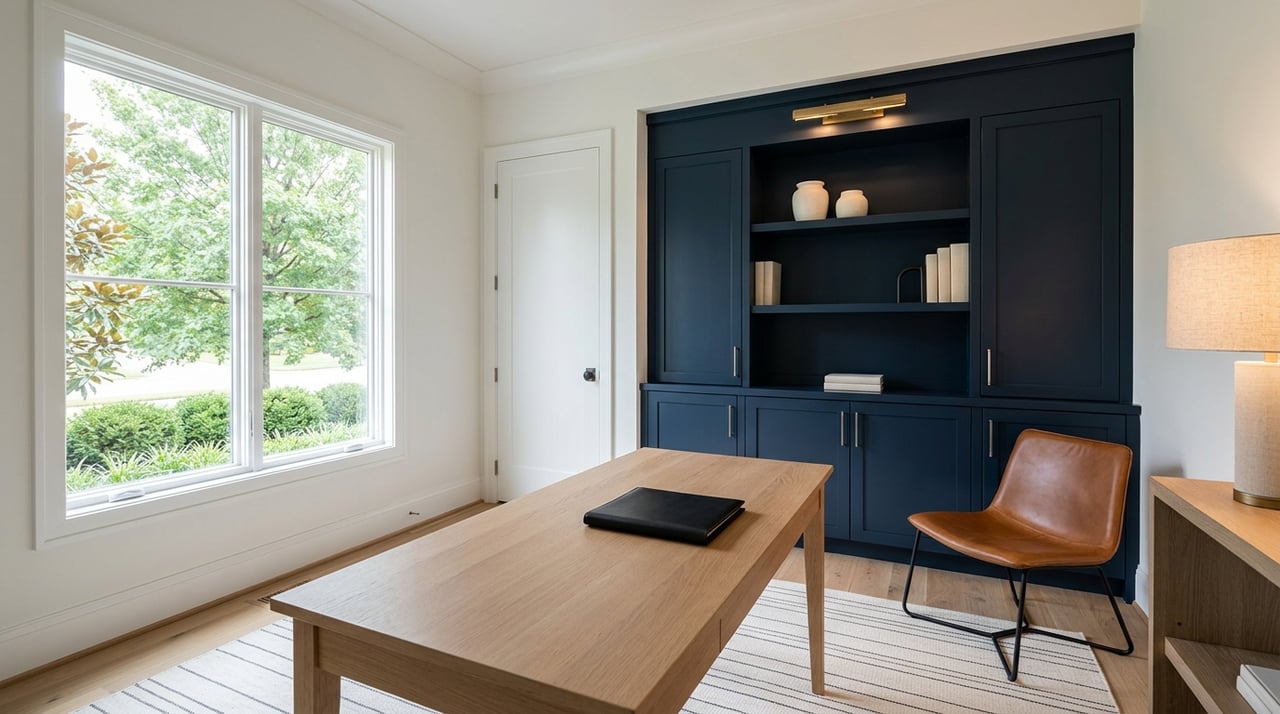
If you work from home, look for fiber or high-speed internet, flexible floorplans with office space, and quiet cul-de-sacs. Trails and parks make great reset breaks, while community centers with meeting rooms or co-working-style spaces can be useful for client chats. Amenity-adjacent coffee or retail adds convenience to your workday routine.
Active households
Pools, splash pads, playgrounds, and youth sports fields keep weeknights simple and weekends fun. Sidewalks, traffic-calming features, and connected trails help kids move safely around the neighborhood. Centralized recreation means more time playing and less time driving.
Downsizers and low-maintenance seekers
One-story plans, smaller lots, and sections with landscaping included reduce upkeep. Amenity-focused living supports an easy social calendar without having to plan off-site. Proximity to everyday retail and medical services becomes a key convenience as you plan for long-term comfort.
How to compare Celina communities
Use this checklist to quickly size up your short list. Note which items are completed and which are planned, and verify all figures through current documents.
- Developer and current builders. Confirm active phases and upcoming sections.
- Location and boundaries. Identify primary access routes and approximate distance to Plano, Frisco, or Downtown Dallas. Note variability with traffic.
- Amenities and access. List completed vs. planned amenities, hours, guest rules, and any extra user fees.
- Housing and lots. Record typical home sizes, product types, and lot ranges from narrow 40–50-foot sections to 60–80-foot or acreage options. Flag custom or estate opportunities.
- Design controls. Check for ARC/DRC requirements, approved materials, fence standards, and whether garages are alley-loaded.
- HOA fees and rules. Capture fee frequency and range by section, key CC&R highlights, and any short-term rental or parking restrictions.
- Financials. Ask for recent budgets, reserve studies, and any special assessments.
- Schools and services. Verify school assignments with the district and map nearest grocery, medical, and day-to-day retail.
- Market and taxes. Compare new-build vs. resale activity, average days on market, and typical tax rates via Collin County resources.
Day-in-the-life snapshots
Work-from-home Tuesday
You start the morning in a dedicated office with fiber internet, then take a 20-minute break on the neighborhood trail. Lunch is a quick walk to a community café space or a sunny spot by the pocket park. An evening fitness class at the community center rounds out the day.
Saturday with activities
Kids ride bikes to the playground while you book a shaded cabana for the afternoon at the pool. After a youth sports game on the neighborhood field, you stroll to a pocket plaza to catch up with neighbors. Dinner is easy at home, thanks to a short errand run earlier at a nearby retail node.
Easy-living Sunday
A one-story plan keeps chores simple. You take the dog along a greenbelt loop before meeting friends for coffee. Later, you host guests at the community lounge for a casual game night, using the reserved space without leaving the neighborhood.
Your next steps
If you’re weighing two or three Celina master-planned communities, start with phase status and amenities that are already open. Then line up HOA documents, fee schedules, and design standards so you understand both costs and lifestyle fit. Finally, confirm routes to work and school options, and build a timeline that matches your move-in goals.
If you’d like a guided comparison, private builder tours, or help reviewing HOA and builder documents, reach out. With new-construction expertise, relocation coordination, and a calm, concierge approach, you can move forward with clarity and confidence. Connect with Leigh Calvert to get started.
FAQs
What is a master-planned community in Celina?
- A large, coordinated neighborhood with multiple phases, curated amenities, design standards, and an HOA that manages common areas and rules.
How do HOA fees work in Celina communities?
- Fees vary by amenity scope and section and may be billed monthly, quarterly, or annually; confirm current amounts and inclusions with association documents.
Are community amenities open to the public?
- Most amenities are for residents and their guests, with posted hours and access controls; check guest policies and any separate user fees before buying.
How are school assignments determined in Celina?
- School districts set attendance boundaries and can adjust them as new campuses open; verify current zoning with the district rather than marketing materials.
What commute options connect Celina to DFW job centers?
- The Dallas North Tollway extension and US 380 are primary routes; drive times vary with traffic and construction, so test your commute during peak hours.
What HOA rules should I review before making an offer?
- Focus on exterior changes, fencing, landscaping, parking, seasonal decor, and any short-term rental restrictions, plus budgets and reserve planning.
Can I rent my home as a short-term rental in these neighborhoods?
- Policies vary by community; many HOAs regulate or prohibit short-term rentals, so confirm rules in the CC&Rs and any recent amendments before buying.