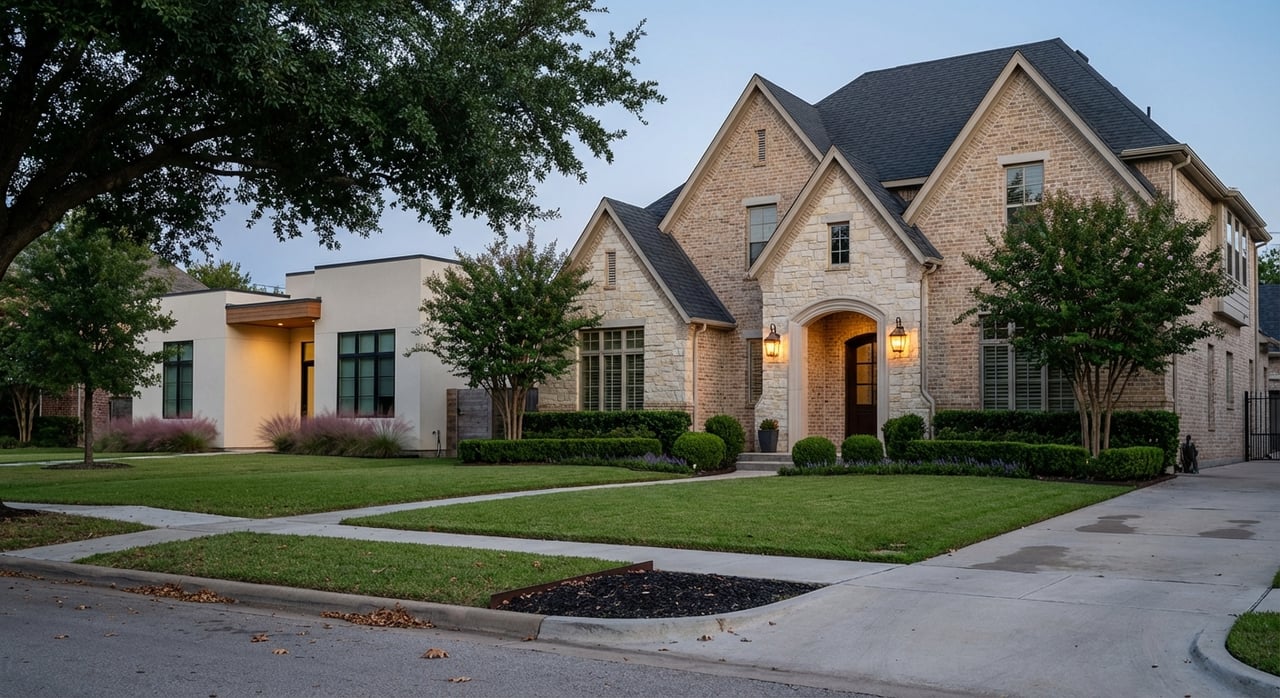
Saving for a down payment in Allen can feel like a moving target, especially when home prices and lending rules change. If you’re wondering whether down payment assistance could bridge the gap, you’re in the right place. You’ll learn what kinds of help are available, how grants differ from loans, who typically qualifies in Collin County, and the steps to apply with a participating lender. By the end, you’ll have a clear plan to explore real options for your next move. Let’s dive in.
Down payment help in Allen
Allen homebuyers have several pathways to reduce upfront costs. Some are statewide, some are local, and others come through lenders or your employer. Availability and rules can change with funding cycles, so plan to verify details early with a participating lender.
- Statewide programs: The Texas Department of Housing and Community Affairs (TDHCA) and the Texas State Affordable Housing Corporation (TSAHC) work through approved lenders to offer assistance. TDHCA also administers the Mortgage Credit Certificate (MCC) in Texas.
- Federal loan pairings: Many assistance options pair with FHA, VA, USDA, or conventional loans. Some programs require specific first-mortgage types, so confirm compatibility with your lender.
- Local and county programs: Cities and counties sometimes offer grants or forgivable loans funded by federal HOME or CDBG dollars. Availability can be limited and targeted to certain income bands or areas.
- Lender and employer options: Some banks fund their own down payment assistance, and a few employers or municipal employers provide homebuyer benefits.
- Alternatives: If DPA is not available, you might use seller concessions, lender credits, documented gift funds from family, or loan programs with reduced down payment requirements.
Grants vs loans: know the difference
Understanding how each type of assistance works helps you compare tradeoffs and long-term costs.
Grants (true grants)
A grant is a nonrepayable sum applied at closing to help with down payment and/or closing costs. The main benefit is clear: no repayment and no increase to your first-mortgage principal. Funds are often limited and may have income, price, or location limits.
Forgivable second loans
A forgivable second is a junior lien that is forgiven over time as long as you live in the home as your primary residence and follow program rules. If you sell, move, or refinance before the forgiveness period ends, the remaining balance is typically due.
Deferred-payment second loans
A deferred second is recorded as a junior lien with no monthly payments. You repay it when you sell, refinance, or pay off the first mortgage. This can keep monthly costs lower now, but it adds a payoff obligation that can affect future refinances or sales.
Interest-bearing second loans
Some programs offer second loans with interest and periodic payments. These can be predictable and sometimes low-cost compared to other credit, but they increase your monthly obligations and total cost.
Mortgage Credit Certificate (MCC)
An MCC is not direct cash at closing. It is a federal tax credit that reduces your federal income tax liability based on a portion of your annual mortgage interest. It can improve monthly cash flow, and in some cases, help with qualifying. Be sure to review any recapture rules for future sales or refinances.
Who typically qualifies in Collin County
Each program sets its own rules, but most Allen buyers can expect the following checks:
- Primary residence: You must occupy the home as your principal residence.
- First-time buyer rule: Many programs require you to be a first-time buyer, often defined as no ownership in the past three years. Some make exceptions for qualifying veterans, targeted areas, or repeat buyers under certain income limits.
- Income limits: Most use Area Median Income (AMI) tiers. Limits vary by household size and program.
- Purchase price caps: Many programs set a maximum eligible purchase price by county or metro area.
- Homebuyer education: An approved education course is commonly required before closing.
- Credit and underwriting: Minimum credit scores, debt-to-income ratios, and reserve needs follow the first mortgage’s guidelines and any program overlays.
- Property eligibility: Single-family homes and some condos may qualify if they meet program standards. Always confirm property type and condition rules.
- Geographic or residency requirements: Some local funds focus on buyers purchasing within city limits or those who live or work in that jurisdiction.
- Documentation: Expect photo ID, Social Security numbers, recent pay stubs, W-2s/tax returns, bank statements, a signed purchase contract, a homebuyer education certificate, employment verification, rental history, and gift letters if applicable.
How to find and verify programs
Because funding and rules change, the best source of truth is a participating lender and the official program pages of TDHCA, TSAHC, the City of Allen, and Collin County. You can also confirm general guidance through HUD resources and connect with HUD-approved housing counselors in the Dallas–Fort Worth area.
Step-by-step to secure DPA
- Get pre-approved with a lender that participates in TDHCA, TSAHC, or local DPA programs.
- Ask the lender which programs they support and whether funds are currently available.
- Confirm that the DPA pairs with your intended first mortgage type (FHA, VA, USDA, or conventional).
- Complete required homebuyer education early so it does not delay your timeline.
- Once you have a contract, have the lender reserve DPA funds if the program requires it.
- Submit all requested documents promptly and track milestones in writing.
- Before closing, confirm whether the assistance is a grant, forgivable second, deferred second, or interest-bearing second and how payoff or forgiveness works.
Timing and what to expect
- Early research: Start before you write an offer. Some programs require a reservation at or before contract execution.
- After contract: Your lender requests the DPA reservation and finalizes underwriting. Education must be completed by the program deadline.
- Closing: Second-lien documents are prepared and recorded if applicable. Keep copies of everything.
- Typical duration: The process can take a few days to several weeks depending on funding cycles and documentation. If local funds are limited, waitlists or funding rounds can add weeks or months.
- Contract planning: Because DPA rules vary, identify options and a participating lender before you finalize financing and appraisal deadlines in your contract.
Lender checklist to confirm
Use this list when you speak with a lender so you get clear answers up front:
- Program name, current funding status, and how reservations work.
- Eligible first-mortgage product types and whether the lender is a participating provider.
- Your income, purchase price, and geographic eligibility for the specific property.
- Required documents and approved homebuyer education providers.
- Whether the assistance is a grant, forgivable second, deferred second, or repayable second, plus payoff and forgiveness details.
- Estimated impact on monthly payment, total costs, and future refinance or sale scenarios.
- Written confirmation of reservation and a timeline for closing.
Practical tips for Allen buyers
- Compare total costs, not just cash to close. A deferred second may help today but affect future refinances or payoff at sale.
- Know that down payment assistance does not automatically remove mortgage insurance. Ask for a full payment estimate that includes any mortgage insurance premiums.
- Remember that an MCC can improve cash flow, but it is not cash at closing. It complements, not replaces, down payment funds.
- Watch for scams. Work with recognized programs, HUD-approved counselors, and participating lenders. Be cautious of fee-for-application services promising guaranteed funds.
- Coordinate deadlines. Align education completion, DPA reservations, and contract timelines so nothing slips.
- Keep records. Maintain copies of all program documents and certificates for future reference.
Local focus: Allen and the Dallas–Plano–Irving area
In Collin County, availability can shift with funding cycles and local priorities. City or county programs may target certain income ranges or neighborhoods, while statewide options through TDHCA and TSAHC tend to be broader. Work with a lender active in Allen so you can verify current funding, reserve assistance when needed, and match the program to your first mortgage type.
Ready to explore your options?
If you want a clear, step-by-step plan tailored to your budget and timeline, let’s map it out together. Reach out to Leigh Calvert for a friendly, no-pressure consultation and a lender introduction to discuss current down payment assistance in Allen and Collin County.
FAQs
What is the difference between a grant and a forgivable loan in Allen?
- A grant is not repaid, while a forgivable loan is a second lien that is forgiven over time if you meet occupancy and program rules; sell or refinance early and you may owe the remaining balance.
Do I have to be a first-time buyer to use down payment assistance in Collin County?
- Many programs prefer first-time buyers, but some allow exceptions for veterans, targeted areas, or repeat buyers who meet income limits; always verify with a participating lender.
How long does it take to reserve down payment assistance funds in the Dallas–Plano–Irving area?
- It can take a few days to several weeks depending on program cycles and documentation; limited local funds or waitlists can add more time.
Can I combine down payment assistance with FHA, VA, USDA, or conventional loans?
- Often yes, but it depends on the program; some require specific loan types, so confirm compatibility with your lender before you write an offer.
Will down payment assistance remove mortgage insurance on my loan?
- Not necessarily; if your first mortgage requires mortgage insurance, DPA usually does not change that, so ask for a full payment estimate that includes any premiums.
What documents do lenders typically need for DPA in Allen?
- Expect ID, Social Security numbers, recent pay stubs, W-2s or tax returns, bank statements, a signed purchase contract, homebuyer education certificate, employment and rental history, and gift letters if applicable.